Fog can add a fun layer of mystery and atmosphere to a photo-shoot. We associate fog or smoke with heat, power, magic, danger, and intrigue. Careful use of fog in your photography can help your photographs take on these attributes and better tell a story. [Read more…]
Learning Off-Camera Flash: Part Four – Quality of Light
This is part four in a series of posts about learning off-camera flash. Find the previous posts here:
- Learning Off-Camera Flash: Part One
- Learning Off-Camera Flash: Part Two – Studio Strobes
- Learning Off-Camera Flash: Part Three – Studio Headshots
Quality of Light
As you experiment with light placement, you’ll start to be able to anticipate the results certain light setups will produce. Professional photographers learn and practice their camera’s settings and features until it becomes second nature. They do the same with off-camera flash.
We do it for one main reason: As you develop these skills it will give you a tremendous amount of creative power. You are no longer just pressing a button and hoping to get a good shot. With enough practice and skill development you are able to construct the vision you have in your head. Your camera and lights are just tools you use to craft the final image. [Read more…]
Learning Off-Camera Flash: Part Three – Studio Headshots
This is part three in a series of posts about learning off-camera flash. Find part one and two here:
Maybe the most basic use of off-camera flash is the classic studio headshot. When you are learning flash photography, setting up a simple headshot is a great way to quickly pick up on how the position of your lights effect the final image. Grab a friend or family member and find a white wall, screen, or hang up a poster board to use as a background. I suggest starting with one light and get the best image you can with that one light. Then, if you have more lights, add them one at a time and adjust as you go to get the desired results. [Read more…]
Learning Off-Camera Flash: Part Two – Studio Strobes
In Learning Off-Camera Flash: Part One we talked about the cheapest way to get into off-camera flash photography. I highly recommend learning about flash with speedlights and umbrellas first, before purchasing any studio strobe equipment.
Why?
Speedlights are ultra portable and ultra versatile. If you invest in a set of speedlights and umbrellas you can use them in the studio as well as on location. Later, if you decide to get into dedicated studio strobes, you can use your speedlights inline with the studio strobes to compliment them. Speedlights are also much less expensive than studio strobes. [Read more…]
Learning Off-Camera Flash: Part One
The topic of flash photography can be intimidating to the beginner photographer. Some even go as far as to label themselves “Natural Light Photographers” and avoid artificial lighting all together. There is nothing wrong with developing a style around natural light, but I contend that learning flash photography is an important part of growing as a photographer and increasing your understanding of how light works. [Read more…]
Add Dimension to your Portraits with Rembrandt Lighting
The term “Rembrandt Lighting” is a term that tends to come up whenever photographers talk about lighting in portrait photography. Rembrandt lighting is characterized by a triangle of light under the eye of the subject on the less illuminated side of the face. Some get technical with the definition and claim that it’s not true Rembrandt lighting if the triangle is not the same width and height of the subject’s nose. Others are less worried about technicalities and use the term to describe the overall mood and style of an lighting setup without getting their ruler out and measuring that little triangle of light.
Why is Rembrandt Lighting desirable? [Read more…]
Behind the Photo – Food Photography in Natural Light
I have a full time job as a Photographer/Videographer for an international health food company. Each week and month comes with new assignments and challenges. This week’s assignment: Food photography in natural light. Specifically, we’ve been working on creating some shots that show off some of the main ingredients in our blueberry based flagship product. The shots will be used on an update to our website that my co-worker is designing. When we started this project I didn’t have a ton of experience photographing food, (except for this chocolate cake) but the call of a new challenge is what keeps photography fun and interesting. Below I’ve outlined some things I learned about food photography during this assignment.
Using Water in Product Photography to add Motion and Interest

The Inspiration
I recently discovered the work of talented photography wizard Tilo Gockel through a spectacular photograph he posted on The Strobist Facebook Group. This group is a great place to get inspiration and feedback on strobe photography, or photography where you use off camera flash. I highly recommend joining the group if you are at all interested in learning more about lighting techniques for your photography.
Anyway, Tilo posted this amazing image of a divers watch and the group went wild: [Read more…]
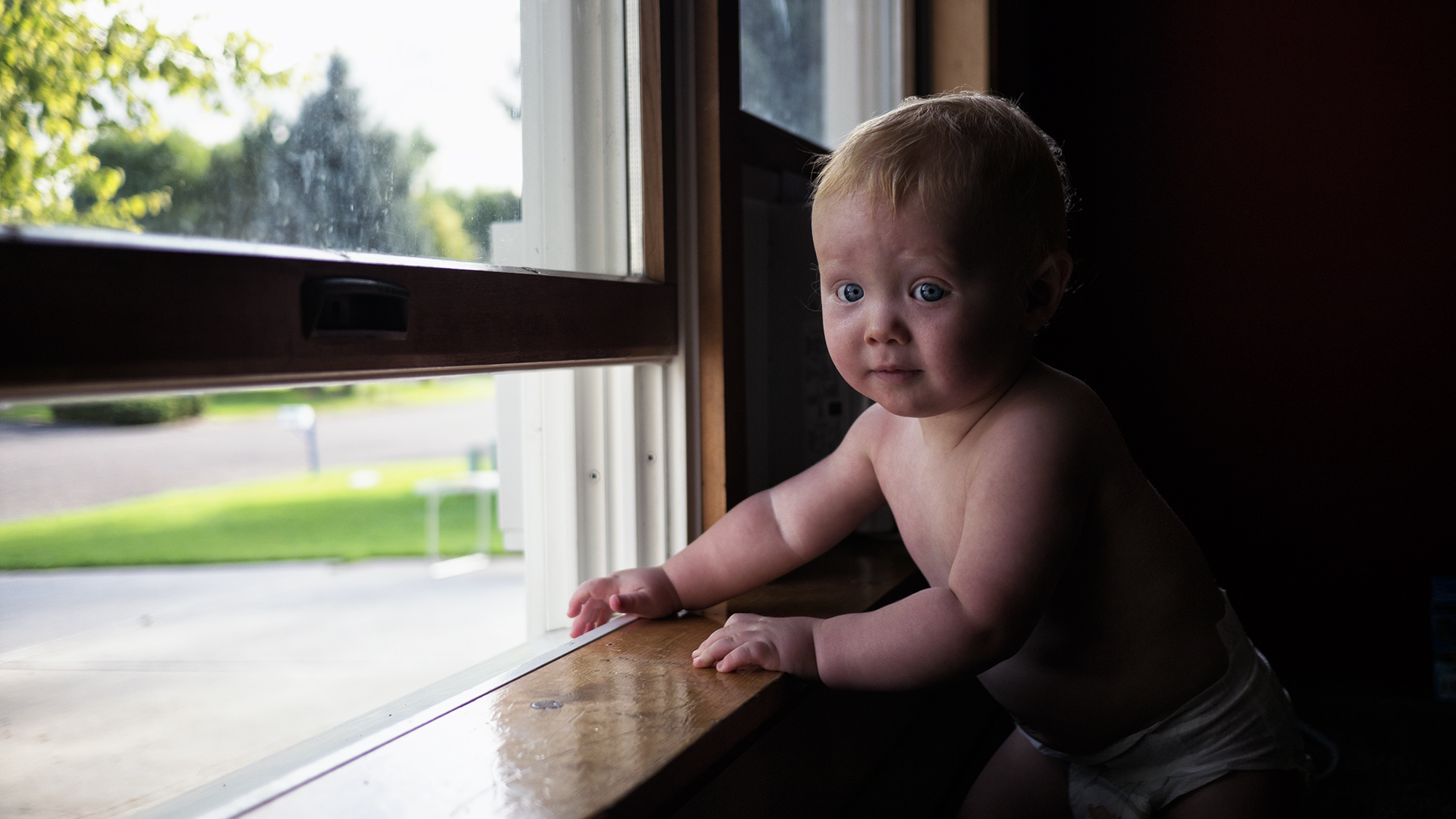
Using Natural Window Light to Photograph Children
Hello! It’s Mark’s wife Misty again. Just dropping in to talk about one of my favorite ways to take pictures of my own children – using natural window light. This quick photography tip is perfect for moms who are trying to capture the cute antics of their kids through the day while still wanting a nicely lit photograph. [Read more…]
8 Tips for Photographing Lightning at Night with a DSLR
This post is about my recommendations for how to photograph lightning at night with a DSLR.

An amazing coastal storm presented the perfect opportunity to capture lightning on the last day of my recent trip to Manila, Philippines.
I remember a few occasions back when I was in high school that some friends and I would chase a storm and attempt to capture lightning shots with a 35mm Pentax film camera. It was rare that we’d capture even one good frame and we wouldn’t even know how the shots were turning out until the film was processed. [Read more…]